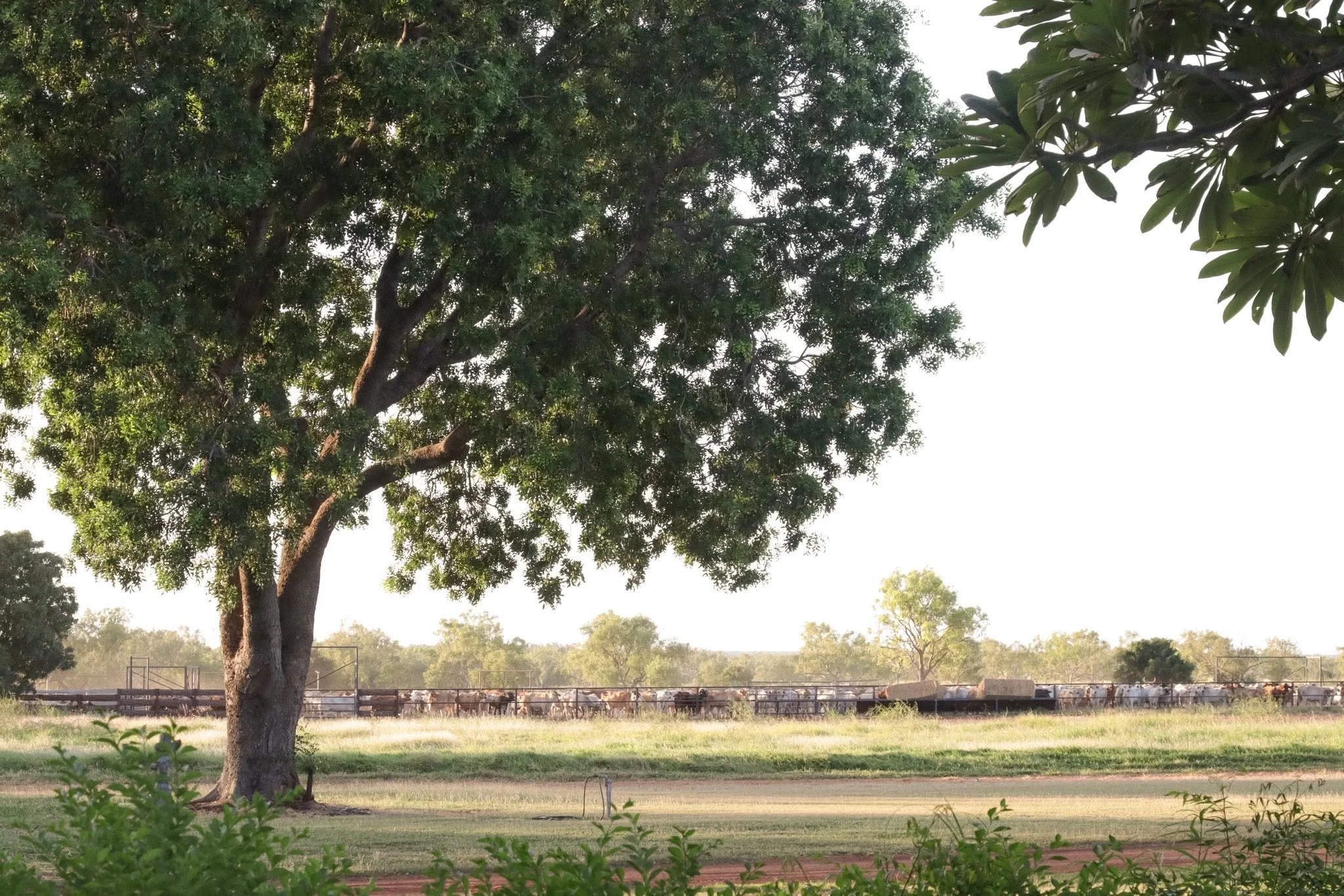
the seasons of the northern territory
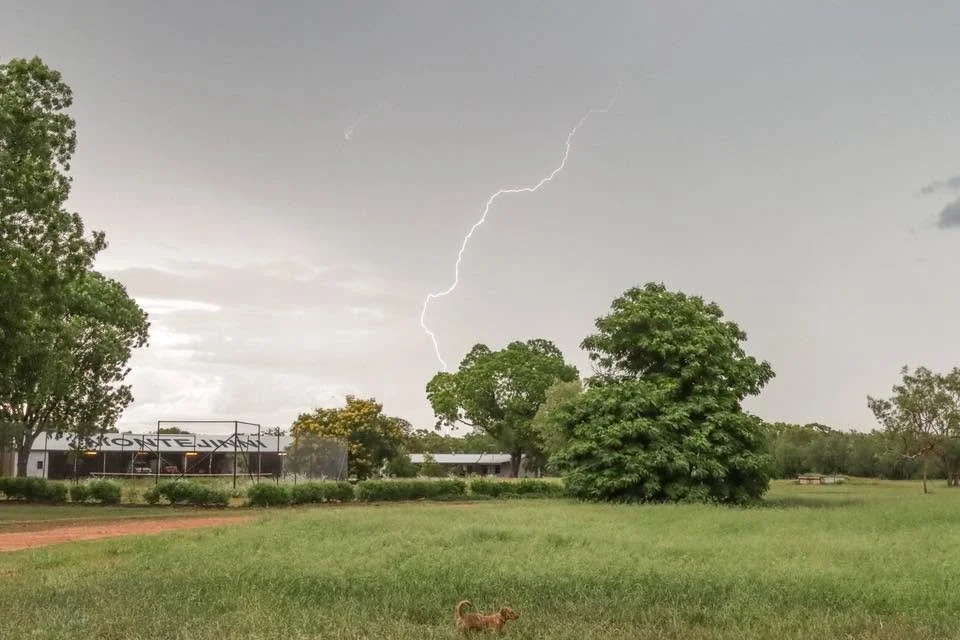
The Northern Territory is a little different from most of Australia when it comes to seasons. Instead of four traditional seasons, much of the Territory experiences distinct wet and dry seasons, particularly around Darwin and the Top End. For people living and working on cattle stations, understanding these seasonal changes is an important part of everyday life.
THE WET SEASON
The wet season generally runs from November to March in the Top End, depending on the year. This is when the heat, humidity and rainfall really arrive. Afternoon storms can build quickly, bringing spectacular lightning, heavy rain and strong winds.
The country can change dramatically during the wet. Dry, dusty landscapes become green, creeks and rivers fill, and grass grows rapidly. For cattle stations, the rain is enormously important because it replenishes water supplies and provides fresh pasture for livestock.
The wet can also make travel challenging. Roads and tracks can become muddy or flooded, and some areas can be isolated for periods of time. For those living remotely, preparation and planning are essential.
THE DRY SEASON
From around April to October, the Top End settles into the dry season. Rain becomes scarce, humidity drops and the skies are often clear and blue.
The dry season is generally the most comfortable time of year for people working outdoors. Mornings can be surprisingly cool, particularly inland, before temperatures rise during the day.
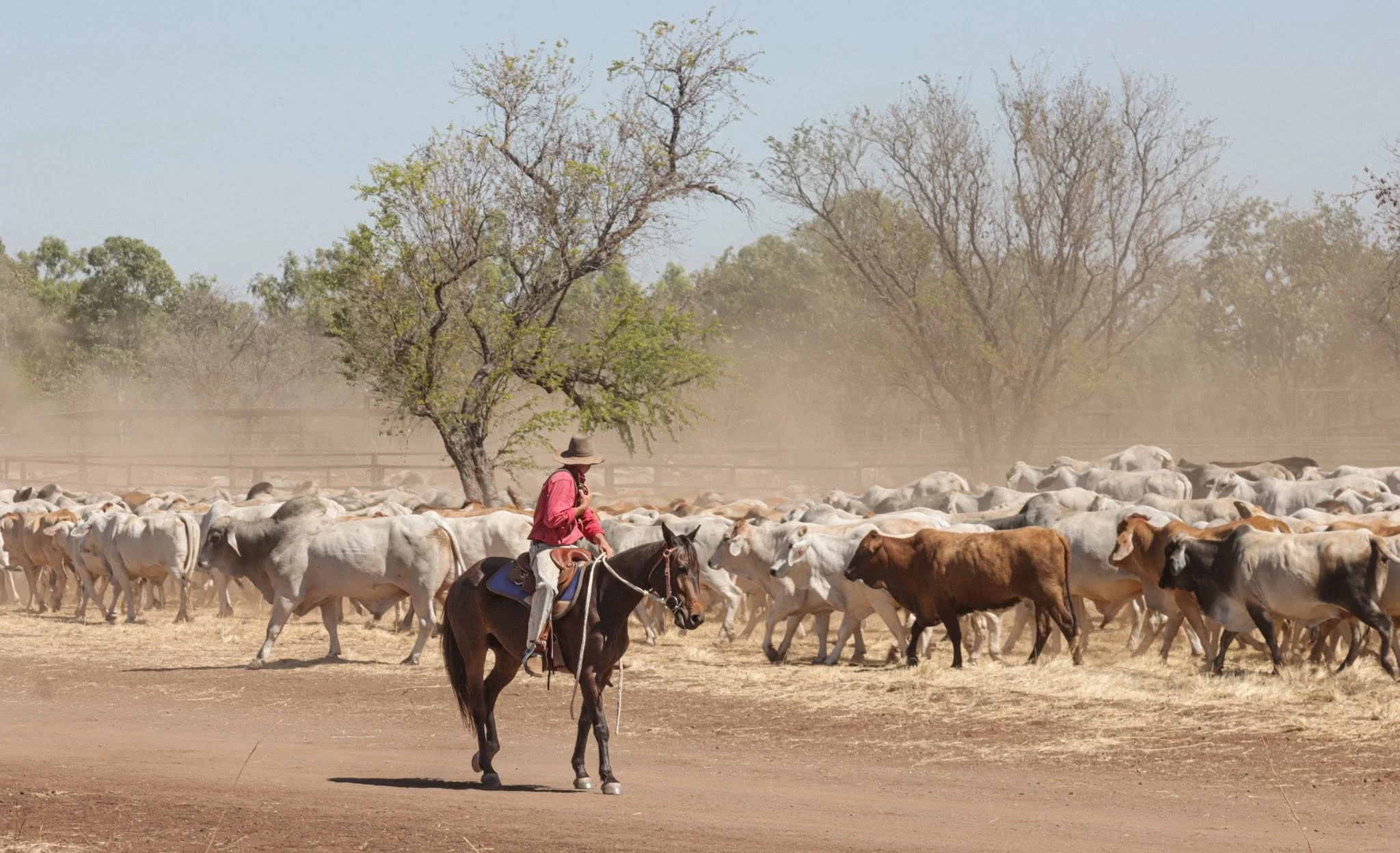
For cattle stations, the dry season can also mean long periods without rain. Water management becomes increasingly important, and cattle may need to be moved between paddocks or watering points as conditions change.
THE BUILD-UP
One of the most distinctive periods of the Top End is the Build-Up, which occurs towards the end of the dry season, generally around October and November.
Temperatures rise, humidity increases and the atmosphere can feel heavy. The landscape becomes increasingly dry, and everyone starts watching the sky for the first proper storms of the coming wet season. This is also the fire season in the Northern Territory. The build-up season is notorious for dry lightening, and with the landscape being the driest part of the year, it can easy start fires that can spread very quickly. High winds also contribute to the fire season, and stations must prepare accordingly. It is not so much if there will be a fire on the station, but more of a when.
The Build-Up can also be an uncomfortable time to work outside, but it is also fascinating. The anticipation of the first rains is something many Territorians understand well.
All images by Grace Perry
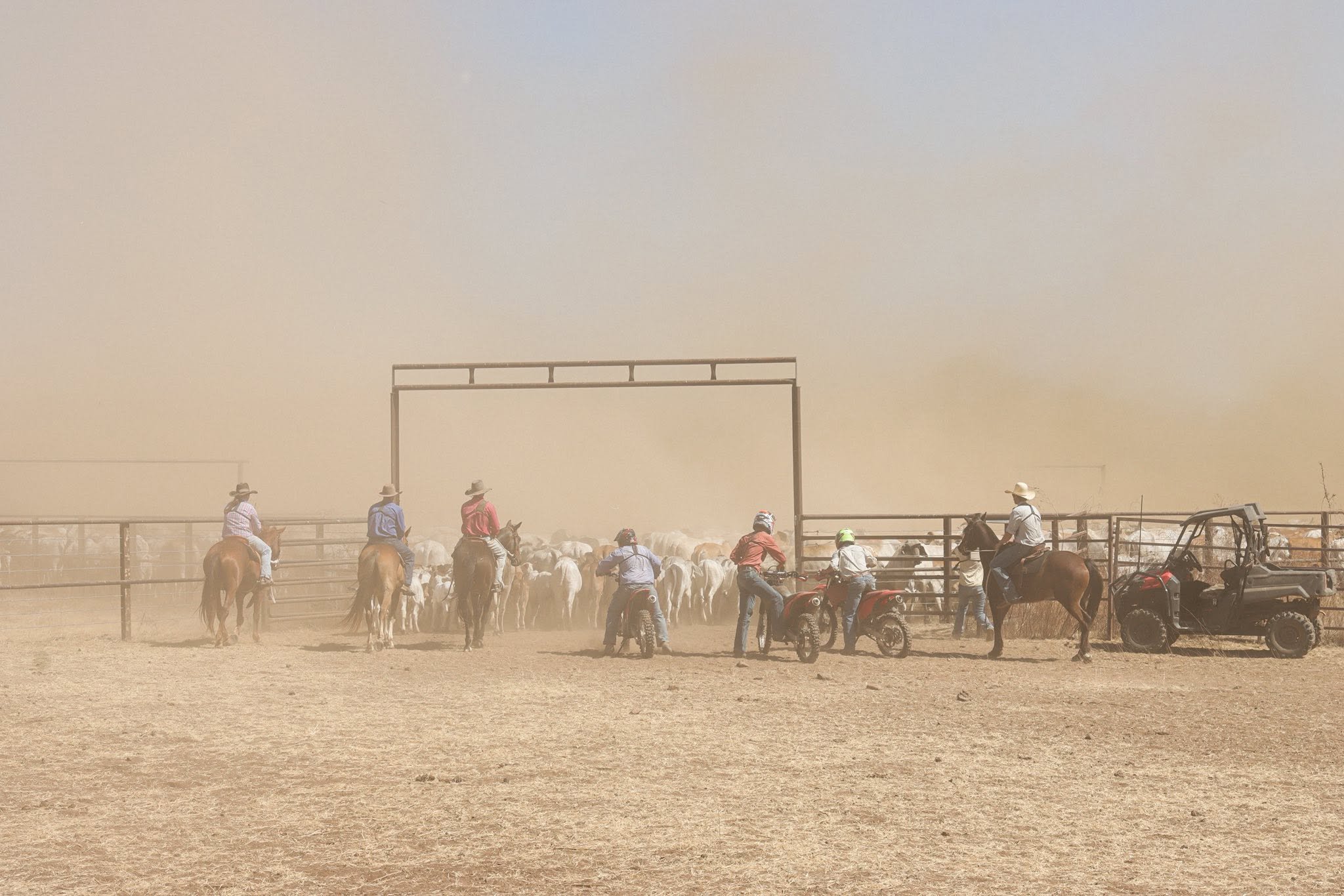
LIFE BY THE SEASONS
For people who live in the Territory, the seasons aren't simply a change in the weather. They influence work, travel, agriculture, wildlife and daily life.
On a cattle station, the seasons can determine when mustering is undertaken, how cattle are moved, where vehicles can travel and how much water and feed are available.
Perhaps the most remarkable thing about the Northern Territory is just how dramatically the landscape can change. One moment the country can be dry, dusty and brown; after the rains arrive, it can transform into a vibrant green landscape almost overnight.
That rhythm of wet, dry and build-up is a defining part of life in the Northern Territory, and one of the things that makes living in the Territory so unique.